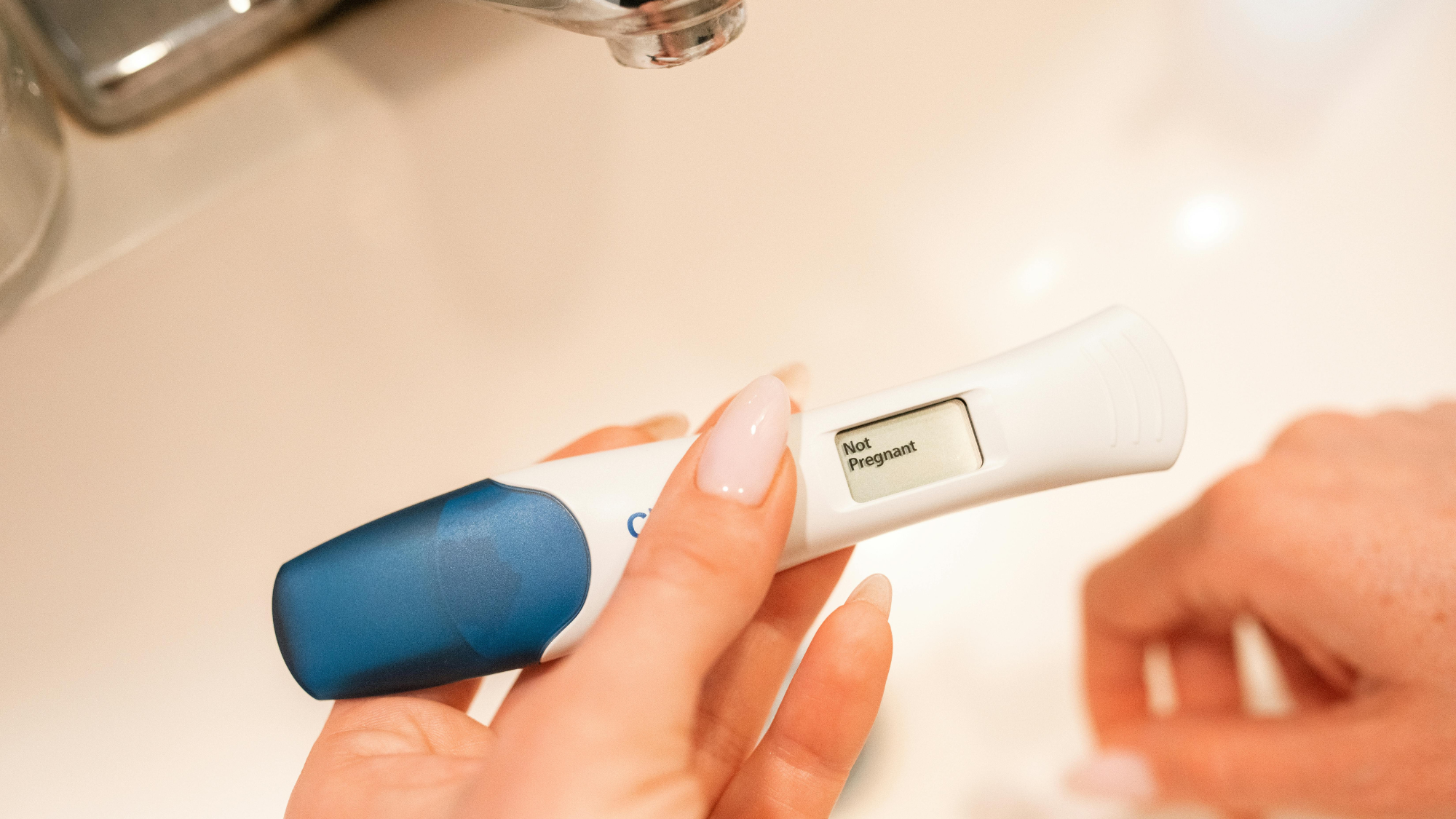
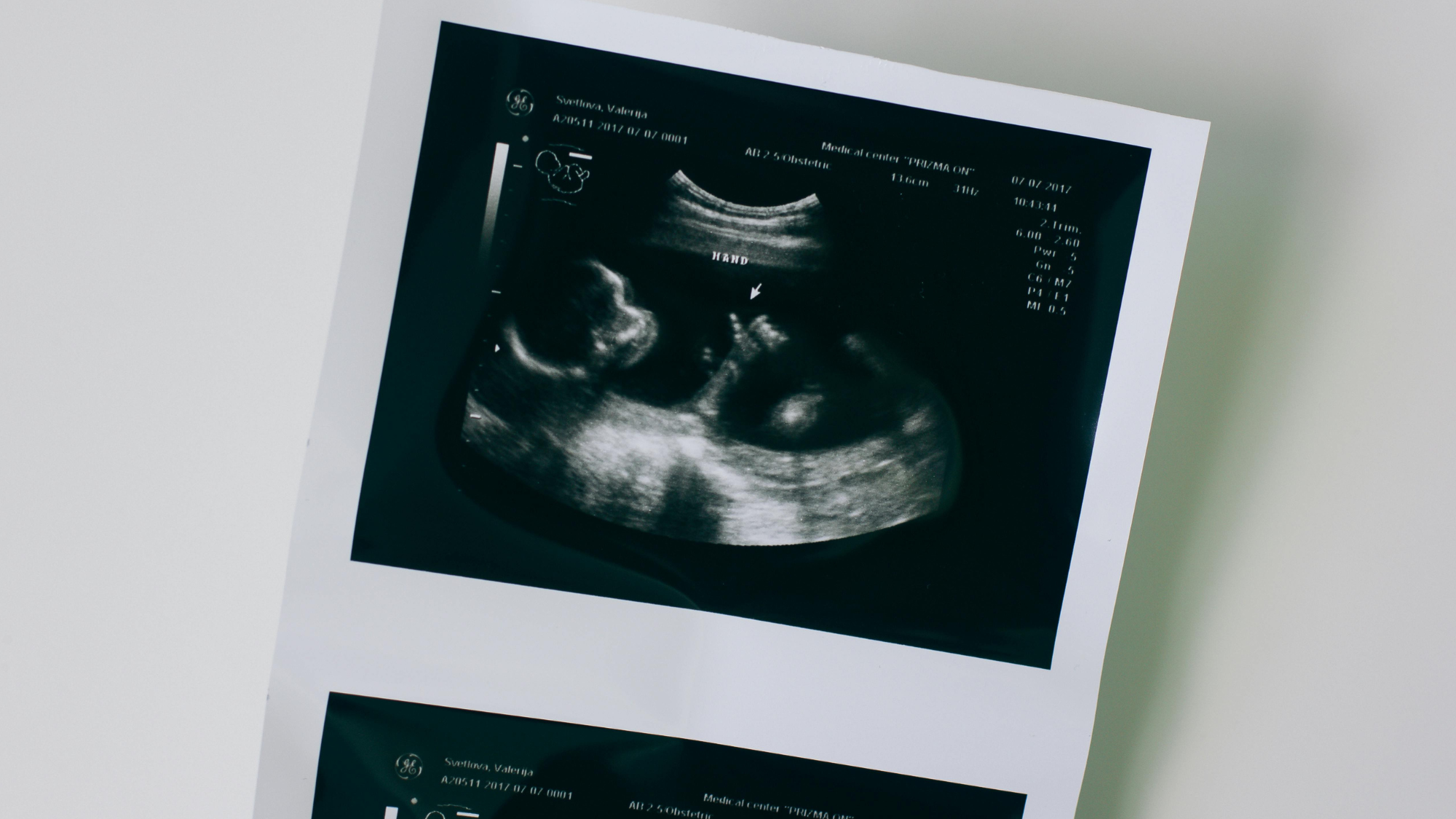
I remember sitting in my car outside Target when my clinic called with my PGT-A results. Seven embryos had gone for genetic testing three weeks prior, and I'd been oscillating between we're definitely getting five normals and they're all going to be abnormal approximately every twelve minutes since.
"Michaela? We have your results."
My heart immediately relocated to my throat. Here's the thing about PGT-A results — they can make or break your entire IVF cycle in one phone call.
What Is PGT-A Testing (And Why Everyone Calls It PGS)
PGT-A stands for Preimplantation Genetic Testing for Aneuploidy. Most people still call it PGS (Preimplantation Genetic Screening) because that's what it was called for years, and honestly, PGS is easier to say.
Basically, they take a few cells from your day-5 blastocyst and check if it has the right number of chromosomes. Normal humans have 23 pairs of chromosomes (46 total). If an embryo has the correct number, it's "euploid" — the good news category. If it's missing chromosomes or has extras, it's "aneuploid" — the not-so-great news.
Let's be real — I had no idea what any of this meant when I started IVF. My clinic mentioned genetic testing almost as an afterthought, like oh by the way, do you want to test your embryos for $5,000?
Um, yes? I guess?
Breaking Down Your PGT-A Results Report
When you get your PGT-A results explained, you'll see three main categories:
Euploid (The Winners)
These embryos have the correct number of chromosomes in all 23 pairs. They have the highest chance of implanting, staying implanted, and becoming healthy babies. This is what we're all hoping for.
Aneuploid (The Heartbreakers)
These embryos are missing chromosomes or have extras. Most won't implant, and if they do, they typically result in miscarriage. Some aneuploid embryos can lead to conditions like Down syndrome (trisomy 21), but many are "incompatible with life" — harsh terminology that essentially means the pregnancy wouldn't continue.
Mosaic (The Complicated)
Mosaic embryos are part normal, part abnormal. Maybe 70% of the cells tested normal and 30% didn't. These are the it's complicated of embryo results. Some doctors will transfer mosaics, others won't. The success rates are lower than euploid but higher than aneuploid.
I didn't have any mosaics in my batch, but I know people who've had successful pregnancies with them.
Understanding Embryo Grading: What 4AA Actually Means
Along with genetic testing, you'll get embryo grades that look like hieroglyphics — things like 4AA, 3BB, 5AB. Let me decode this:
The first number (3, 4, 5, 6) indicates the blastocyst expansion:
- 3: Early blastocyst
- 4: Expanded blastocyst
- 5: Hatching blastocyst
- 6: Hatched blastocyst
The first letter grades the inner cell mass (future baby):
- A: Many cells, tightly packed
- B: Several cells, loosely grouped
- C: Few cells
The second letter grades the trophectoderm (future placenta):
- A: Many cells forming a cohesive layer
- B: Few cells forming a loose layer
- C: Very few large cells
So my 4AA embryos were expanded blastocysts with excellent inner cell mass and excellent trophectoderm. The holy grail, basically.
My PGT-A Results: The Call That Changed Everything
Back to that Target parking lot. My nurse's voice was measured, professional:
"Out of seven embryos, five came back euploid. All five are graded 4AA."
I literally started crying. Happy crying. Five normal embryos felt like winning the lottery. All graded 4AA felt like winning the lottery twice in one day.
Here's what my full report looked like:
- Embryo 1: 4AA, Euploid, Female
- Embryo 2: 4AA, Euploid, Male
- Embryo 3: 4AA, Euploid, Female
- Embryo 4: 4AA, Euploid, Male
- Embryo 5: 4AA, Euploid, Female
- Embryo 6: Aneuploid (trisomy 16)
- Embryo 7: Aneuploid (monosomy 22)
Two abnormal embryos isn't unusual — I was 30 during my egg retrieval, and aneuploidy rates increase with age. At 35, you're looking at about 50% abnormal. At 40, it jumps to 75%.
But five normals? With my diminished ovarian reserve and autoimmune issues? I felt like I'd defied some statistical odds.
The Emotional Rollercoaster Nobody Talks About
Here's what nobody tells you about waiting for PGT-A results: it's three weeks of psychological torture disguised as "processing time."
I ping-ponged between extreme optimism (all seven will be normal because I manifested it) and devastating pessimism (they're all abnormal and my IVF cycle was a waste). I googled "PGT-A results timeline" approximately 847 times. I calculated and recalculated how many embryos I'd need for my "family building goals" — which, let's be honest, was just me trying to control an inherently uncontrollable process.
The worst part? Your fresh transfer gets cancelled when you do PGT-A. So you go from the high of a successful retrieval to... waiting. Just waiting with your ovaries still feeling like someone inflated them with a bicycle pump.
Why does everything in fertility take so damn long?
What Your Results Actually Mean for Transfer Success
Euploid embryos have about a 60-70% chance of implanting, depending on your clinic and individual factors. That sounds great until you realize it's still not a guarantee. My first euploid 4AA transfer failed completely — not even a faint line.
Aneuploid embryos have much lower success rates, typically under 10%. Most clinics won't transfer them, though some patients choose to if they don't have euploid options.
Mosaic embryos fall somewhere in between — maybe 20-40% success rates, but this varies wildly based on the percentage of abnormal cells and which chromosomes are affected.
Here's the thing that effed with my head: good PGT-A results don't guarantee pregnancy, and they don't guarantee a healthy baby. They just improve your odds. It's still a numbers game, and sometimes the numbers don't work in your favor.
The Hidden Costs Nobody Mentions
PGT-A testing added $5,000 to my already astronomical IVF bill. Some insurance covers it, most don't. Mine definitely didn't, because of course.
But here's my take: if you can swing it financially, it's worth it. Not just for the increased success rates, but for the peace of mind. Knowing my transferred embryo was genetically normal helped me stay (relatively) sane during the two-week wait. When my first transfer failed, I knew it wasn't because of a chromosomal issue.
If you're looking at international options for cheaper IVF meds, that $5,000 for testing suddenly feels more manageable. I paid $3,500 at my US pharmacy for medications that cost $700 internationally — the savings can offset testing costs.
Questions to Ask Your Clinic
- What's your lab's accuracy rate for PGT-A testing?
- Do you transfer mosaic embryos?
- What happens if all embryos come back abnormal?
- Can you re-biopsy if results are inconclusive?
- How long will results take?
My clinic was pretty hands-off about explaining results, so I had to advocate for a detailed breakdown. Don't be afraid to ask for clarification — this is literally your future family we're talking about.
The Bottom Line on PGT-A Results
PGT-A results can feel like receiving your report card for a test you studied for but never fully understood. Euploid embryos give you better odds, but they're not guarantees. Aneuploid results are heartbreaking, but they don't mean your cycle was pointless — better to know now than transfer and miscarry later.
I transferred three of my five euploid embryos. The first failed, the second was a chemical pregnancy, and the third became my daughter Sadie. Same genetic makeup, same grade, completely different outcomes.
That's the thing about fertility — even when you have all the information, you're still rolling the dice.
Your PGT-A results are just one piece of the puzzle. An important piece, sure, but not the whole picture.
This article is for informational purposes only and is not medical advice. Always consult with your reproductive endocrinologist about your specific situation.