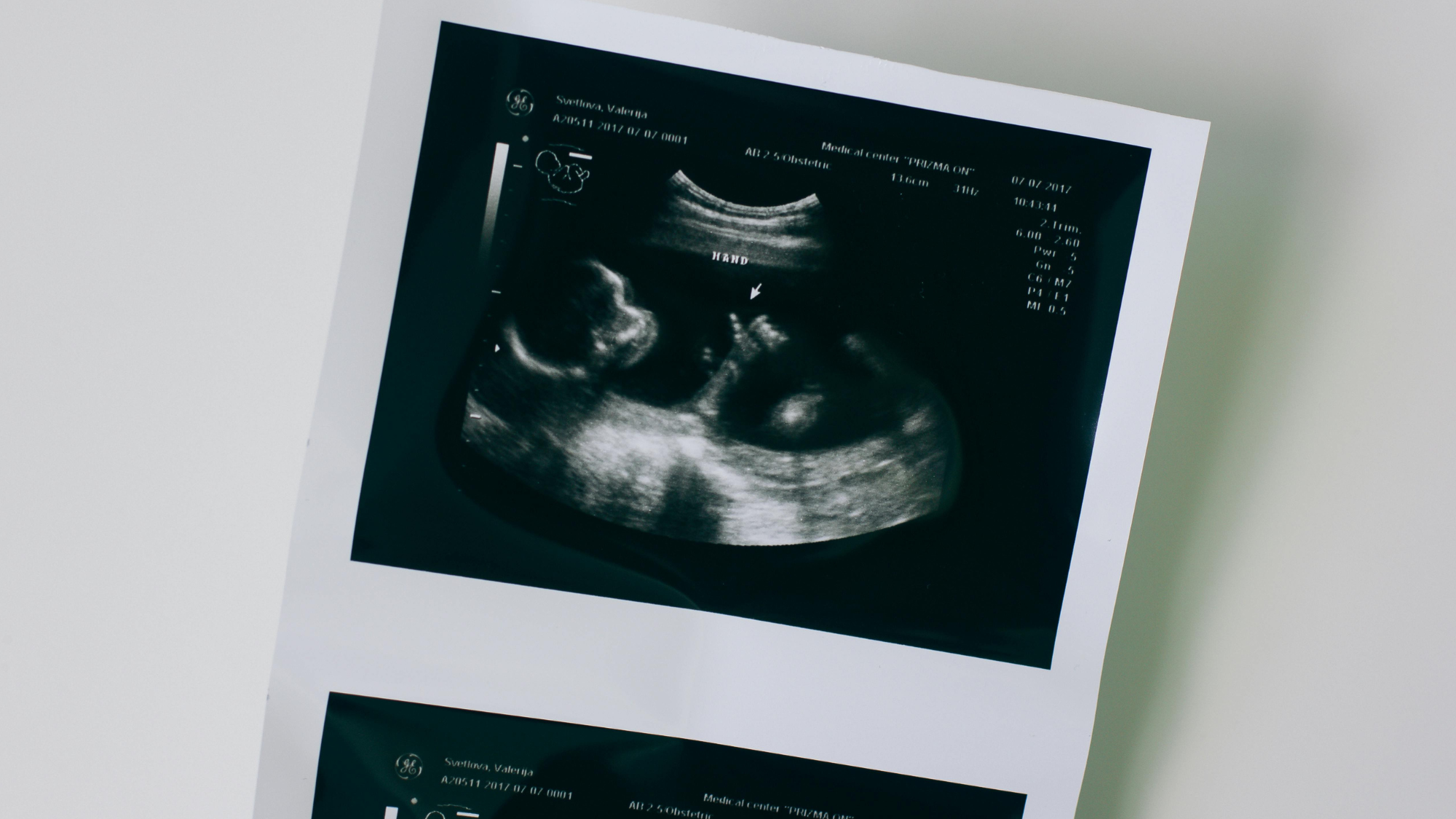
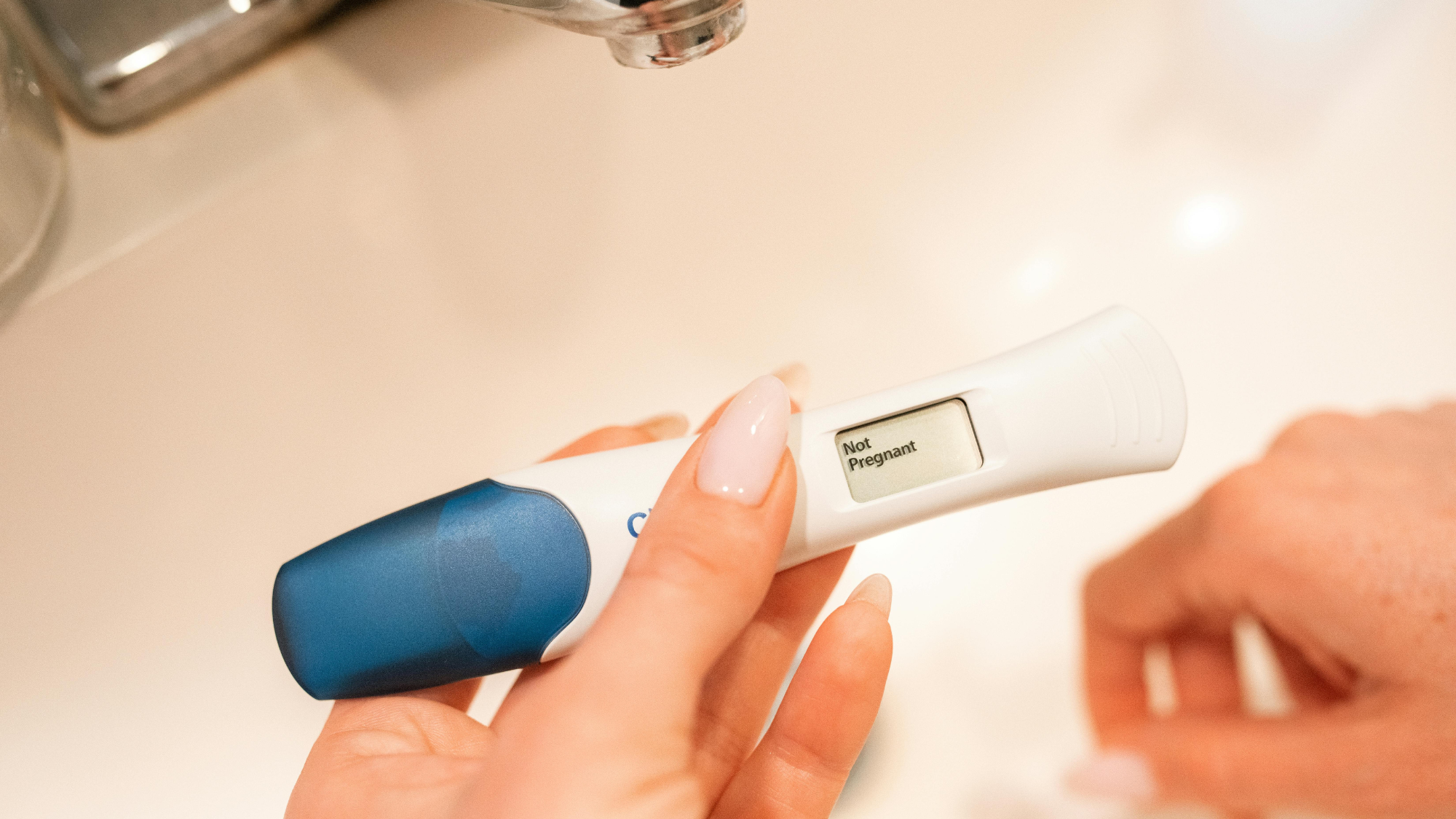
I'm sitting in my car outside the fertility clinic after my second failed transfer, mascara streaking down my face, and I have this wild thought: Why didn't anyone tell me IVF would break my brain before it broke my bank account?
Listen, I went into IVF prepared for a lot of things. I researched protocols until my eyes bled. I budgeted for the $30K price tag (thanks, Aetna, for that discriminatory coverage denial). I mentally prepared for shots, bloating, and the possibility of failure.
What I didn't prepare for was the crushing weight of IVF emotional toll depression that would follow me through every injection, every monitoring appointment, every devastating phone call with results.
Here's the thing nobody talks about: IVF doesn't just mess with your ovaries — it completely rewires your brain chemistry. And the mental health support? It's basically an afterthought in most treatment plans.
The Depression That Comes with the Territory
Let's be real — the hormones alone are enough to send you into an emotional tailspin. I'm talking Gonal-F, Menopur (which burns like actual hell), estrogen patches that made me feel like I was losing my mind, and progesterone that had me crying at Target commercials.
But it's not just the meds. It's the constant cycle of hope and devastation. The way you start planning nurseries after a positive beta, only to watch those numbers crash a week later. The way you become hyperaware of every pregnant person within a five-mile radius.
After my first transfer failed in June 2023, I fell into what I can only describe as a grief spiral. Not just sadness — actual, clinical depression. I couldn't get out of bed some mornings. I stopped responding to friends' texts. I questioned whether I was cut out for motherhood if I couldn't even handle the process of trying to become one.
This isn't normal sadness, I kept telling myself. This is something else entirely.
The Grief Nobody Acknowledges
Here's what's particularly effed up: fertility treatment comes with a type of grief that society doesn't really recognize. You're mourning something that never existed, except in your mind for those precious few days between transfer and beta.
When my second transfer ended in a chemical pregnancy — HCG that started at 1.78 and crawled up to 125 before crashing — I grieved harder than I had for some actual losses in my life. Because for six weeks, I was pregnant. I had symptoms. I planned. I hoped.
And then it was just... gone.
The isolation during this phase is next-level. Most people in your life have no idea what you're going through. They see you looking fine (thanks, concealer) and assume you're fine. Meanwhile, you're running on fumes, pumping yourself full of hormones, and wondering if your body is just fundamentally broken.
How IVF Wrecked My Relationships
Not gonna lie, IVF nearly cost me some friendships. When you're in the thick of treatment, everything feels like a personal attack. A friend's pregnancy announcement feels like the universe mocking you. Someone complaining about their kids makes you want to scream.
I became that person — the one who couldn't be happy for pregnant friends, who avoided baby showers, who got irrationally angry when people said things like "just relax" or "it'll happen when it's meant to happen."
The worst part? I knew I was being unreasonable, but I couldn't stop. The depression and hormones created this perfect storm where I felt completely out of control of my emotions.
Work became another minefield. I was sneaking out for monitoring appointments, taking calls from the clinic in bathroom stalls, and trying to act normal while my estrogen levels were literally three times the normal range. I remember sitting through a marketing strategy meeting the day after my chemical pregnancy, nodding along while internally screaming.
The Two-Week Wait Mental Marathon
If IVF is an emotional marathon, the two-week wait is like running that marathon while someone throws rocks at your head. Every symptom gets analyzed to death. Every twinge could be implantation. Every lack of symptoms means it definitely didn't work.
I bought those bulk Easy@Home pregnancy tests — the 100-count pack because I was testing twice a day like some kind of fertility detective. Maybe the line will be darker this time. Maybe yesterday's negative was just too early.
The mental gymnastics are exhausting. You Google "11dpo BFN success stories" at 3 AM. You convince yourself that sore boobs mean something, until you remember that progesterone can cause sore boobs. You're simultaneously hopeful and preparing for devastation.
It's psychological torture, honestly.
Why Mental Health Should Be Standard Protocol
Here's my hot take: every fertility clinic should have a mental health professional on staff. Not as an add-on service you can pay extra for, but as a standard part of treatment.
The rates of depression and anxiety during fertility treatment are staggering — we're talking 25-60% of patients experiencing clinically significant symptoms. Yet most clinics treat it like it's optional support.
I ended up finding my own therapist who specialized in fertility issues, and it literally saved my sanity. She helped me understand that what I was experiencing wasn't weakness — it was a normal response to an abnormal situation. She taught me coping strategies for the hormonal swings and helped me process the grief that comes with each failed cycle.
But I had to advocate for myself to get that support. It shouldn't be that way.
The Isolation Is Real
One of the most brutal aspects of the IVF emotional toll is how isolating it is. Unless you've been through it, you can't really understand the specific type of mental exhaustion that comes with fertility treatment.
People try to be supportive, but they say things like "stay positive" or "I know it'll work out" — and you want to be like, do you though? Because I've already failed twice and I'm starting to think my body just doesn't want to do this.
I found myself pulling away from people because I was tired of explaining why I couldn't just "relax" my way into pregnancy. Tired of pretending I was fine when I was barely holding it together.
The online fertility community became my lifeline during this time. Finding people who understood the very specific hell of watching your HCG drop or dealing with yet another "unexplained" failure — that connection was everything.
What Actually Helped
Let me be clear — I'm not a therapist, and what worked for me might not work for you. But here's what kept me somewhat sane:
Therapy with someone who actually gets fertility stuff. Not all therapists understand the unique emotional challenges of IVF. Find someone who specializes in reproductive mental health if you can.
Medication when needed. I was hesitant about antidepressants during treatment, but my doctor assured me there were safe options. Sometimes you need pharmaceutical help to get through pharmaceutical treatment — that's not failure, that's being smart.
Boundaries with well-meaning people. I learned to say "I don't want to talk about it right now" instead of explaining my entire treatment plan to every person who asked how things were going.
Tracking my actual data instead of symptoms. Using something like the Mira Fertility Plus Monitor helped me focus on real hormone numbers instead of trying to read tea leaves in every cramp or lack thereof.
The Plot Twist
Here's the thing that still gets me: my third transfer worked, but not because I finally got my mental health sorted out. It worked because we threw everything at it — intralipids, prednisone, Benadryl, blood thinners. My HCG hit 6,512 by 16 days post-transfer.
But the emotional toll didn't magically disappear when I saw those two lines. Pregnancy after IVF comes with its own special brand of anxiety. Every appointment, I was convinced something had gone wrong. I didn't feel safe until Sadie was in my arms on July 9, 2024.
Even now, as I write this with my daughter sleeping next to me (she was diagnosed with autism, which is a whole other emotional journey), I still carry some of that IVF trauma. The hypervigilance. The inability to take good things for granted.
Why We Need to Talk About This
I'm writing about the emotional side of IVF because I wish someone had warned me. Not to scare me away from treatment, but to help me prepare for the mental health aspect the same way I prepared for the physical side.
The IVF emotional toll depression is real, it's common, and it's nothing to be ashamed of. Your mental health matters just as much as your follicle count. Your emotional well-being is just as important as your endometrial lining.
If you're in the thick of treatment right now and feeling like you're losing your mind — you're not alone. What you're experiencing is a normal response to an incredibly abnormal situation. And it's okay to ask for help.
Because here's what nobody tells you: taking care of your mental health during IVF isn't just about surviving treatment. It's about being the person — and eventually, hopefully, the parent — you want to be on the other side.
This article is for informational purposes only and doesn't replace professional medical or mental health advice. Always consult with your healthcare team about the best treatment options for you.