
I walked into my first fertility clinic in February 2023 with sweaty palms and approximately seventeen printed Google searches in my purse. The waiting room was aggressively beige — like someone decided the most fertility-inducing color scheme was "corporate law office meets spa." Every other woman there had a partner next to her, and there I was, single as hell, about to explain to a stranger why I wanted to have a baby with donated sperm.
Let me save you some of that anxiety. Here's what actually happens at your first fertility appointment — the good, the awkward, and the "why didn't anyone tell me this?"
What You'll Actually Do (Beyond Fill Out Forms)
First things first: you're going to fill out forms. So. Many. Forms. Medical history, family history, sexual history they definitely don't need to know about your college years but here we are. If you're single like I was, you'll get some interesting looks when you check "no" for partner medical history.
Then comes the consultation. This is where you'll meet your doctor — hopefully. Some clinics start you with a nurse practitioner or physician assistant, which is totally fine, but know that you can ask to speak with the actual reproductive endocrinologist if you want.
The conversation will cover:
- Why you're there (duh, but they need to hear it)
- How long you've been trying (awkward if you're single — I said "zero months because, well, biology")
- Your cycle history
- Any previous pregnancies or losses
- Family history of fertility issues
- Your timeline and goals
Here's where it gets real: they're going to ask about your sex life. A lot. Even as a single woman, I got grilled about my sexual history. It felt invasive, but they're trying to rule out STIs that could affect fertility.
The Tests They'll Want to Run
Buckle up — you're about to become very familiar with your blood vessels and a transvaginal ultrasound wand. Not gonna lie, it's a lot.
Blood Work Buffet
They're going to test everything. The basics include:
AMH (Anti-Müllerian Hormone): This measures your ovarian reserve — basically, how many eggs you've got left in the tank. Mine was 2.1, which put me in the "diminished ovarian reserve" category. Cool cool cool.
FSH and LH: These get drawn on day 3 of your cycle and tell them how hard your body is working to make eggs. Higher numbers = your ovaries are struggling.
Estrogen: Also day 3, helps interpret the FSH results.
TSH: Thyroid function. An underactive thyroid can mess with fertility.
Prolactin: High levels can interfere with ovulation.
They'll also test for infectious diseases — HIV, hepatitis, syphilis, the whole panel. It's required before any fertility treatment, even if you tested negative last year.
The Ultrasound Situation
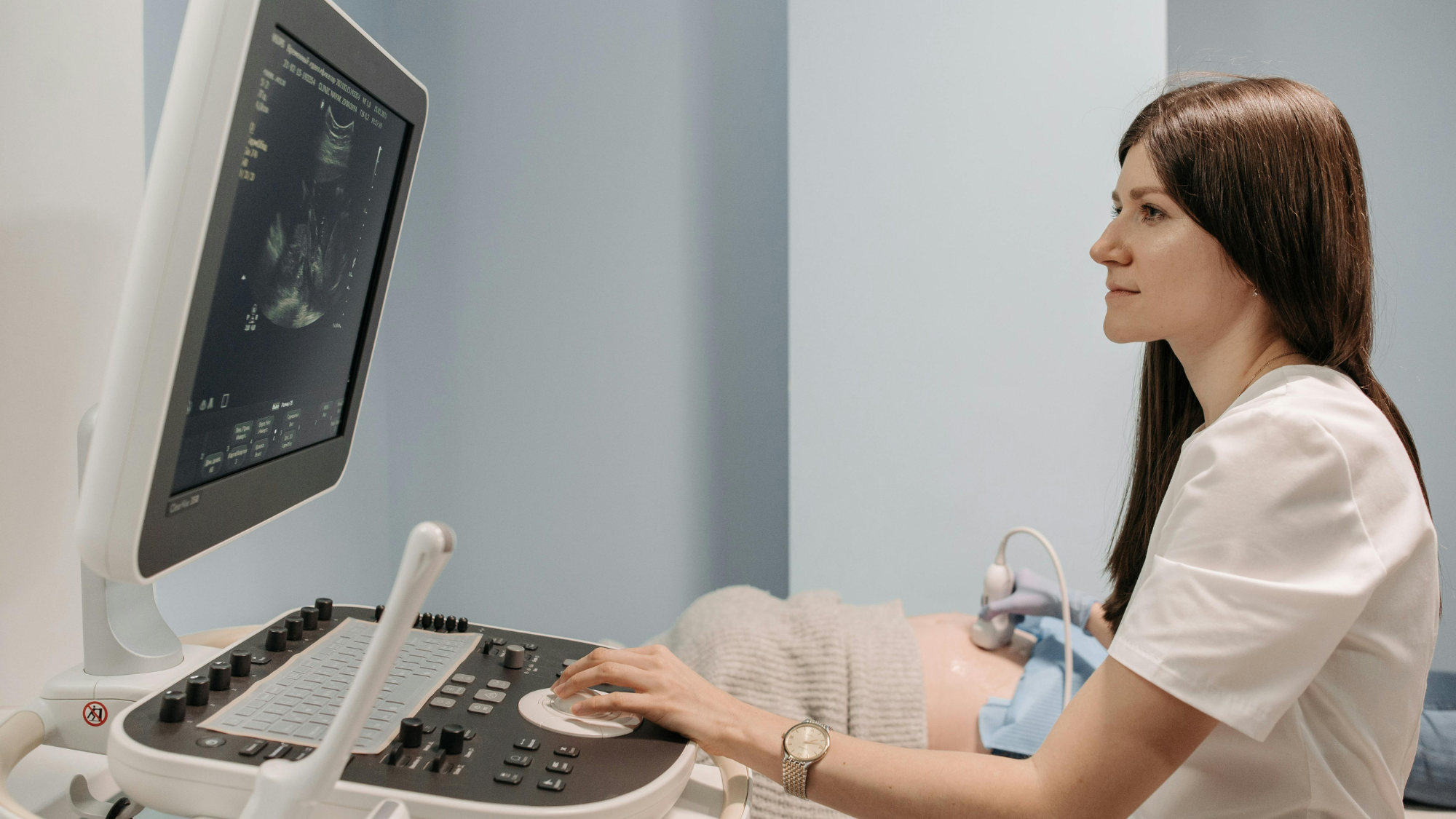
The transvaginal ultrasound is... an experience. They'll count your antral follicles (AFC) — these are the little eggs that might mature during a cycle. My AFC was 11, which aligned with my diminished ovarian reserve diagnosis.
They're also checking for cysts, fibroids, or anything else that might interfere with treatment. The tech will measure everything and take approximately 47 screenshots of your ovaries.
HSG: The Test Nobody Warns You About
The HSG (hysterosalpingogram) checks if your fallopian tubes are open. They inject dye through your cervix and watch it flow through your tubes on X-ray.
Listen — some people say it's "just cramping." Those people are liars. For many of us, it's legit painful. Take ibuprofen beforehand and don't schedule anything important after.
Don't Forget Your Partner (If You Have One)
If you have a male partner, he'll need a semen analysis. If you're using donor sperm like I did, you can skip this step — though they'll want to see the donor's sperm analysis results.
The Timeline Talk
This is where things get real about time and money. Your doctor will outline treatment options based on your test results:
- Timed intercourse with monitoring: Usually first line for younger patients
- IUI: Next step up, good for mild male factor or single women
- IVF: The big guns for more complex issues
They'll give you success rates for each option based on your age and diagnosis. These numbers can be crushing — I remember staring at the "37% success rate" for IVF at my age and doing the math on how many cycles that might mean.
Questions You NEED to Ask
Don't leave without getting answers to these:
"What's your live birth rate for someone with my diagnosis and age?" Not just pregnancy rates — live birth rates. That's what actually matters.
"How many cycles do you typically recommend before moving to the next step?" Some doctors will let you do IUI for months. Others recommend moving to IVF faster.
"What does your monitoring schedule look like?" Are you coming in every other day? Every day? Can you do weekend monitoring?
"What's your policy on single embryo transfer?" If you're doing IVF, you want a clinic that defaults to single embryo transfer to avoid high-risk multiples.
"What are the total costs, including medications?" Get this in writing. The "$15,000 IVF cycle" can easily become $25,000 with meds and monitoring.
"Do you accept my insurance, and what's covered?" Even if fertility treatment isn't covered, some monitoring might be.
For single women specifically: "How do you handle sperm ordering and storage?" Some clinics make you buy multiple vials upfront. Others let you order as needed.
Advocating for Yourself as a Single Woman
Here's the thing — the fertility world is still very much designed for heterosexual couples. You might encounter some outdated thinking.
I had one nurse ask if I was "sure" I wanted to do this alone. Ma'am, I didn't accidentally wander into a fertility clinic. Yes, I'm sure.
Don't be afraid to:
- Ask for the same level of testing and treatment a coupled patient would get
- Push back on assumptions about your support system
- Request to speak with other single patients (many clinics can connect you)
- Ask about support groups or resources for single mothers by choice
What They Probably Won't Tell You
Some real talk from someone who's been there:
Fertility treatment is a part-time job. All those monitoring appointments add up. If you work a traditional 9-5, you'll be doing a lot of early morning bloodwork.
The emotional toll is real. They'll focus on the medical side, but this process messes with your head. Consider finding a therapist who specializes in fertility issues.
Success rates include people who don't complete treatment. That 37% might actually be higher for people who do the full protocol.
Insurance coverage varies wildly by state. Even in states with mandated coverage, there are loopholes. In my case, Aetna required 12 months of "sperm and egg contact" — discriminatory as hell for single women.
After Your First Appointment
You'll probably leave with a lot of information and maybe some homework — like tracking your cycles with ovulation predictor kits. The Easy@Home OPK+HCG 100ct combo pack is the way to go here. Don't waste money on expensive Clearblue tests when you're going to be peeing on sticks constantly.
If they recommend cycle tracking, consider the Mira Fertility Plus Monitor for actual hormone numbers instead of just guessing from lines on strips. I wish I'd had this from the beginning — it takes so much guesswork out of timing.
They'll also likely recommend starting a prenatal vitamin if you haven't already. I used Needed Prenatal+Fertility Bundle through my entire IVF process — their formulation is specifically designed for fertility support.
The Bottom Line
Your first fertility appointment is going to be overwhelming. You'll get a lot of information, some of it scary, and you'll probably cry in your car afterward. That's completely normal.
But here's what I wish someone had told me: this is just the beginning. The tests, the timelines, the success rates — they're all just data points. They don't determine your story.
I walked out of that beige waiting room with a plan, and eleven months later, I was holding my daughter. The path wasn't straight, and it sure as hell wasn't easy, but it led me exactly where I needed to be.
Your first fertility appointment is your first step toward taking control of your reproductive future. You've got this.
This article is for informational purposes only and should not replace medical advice. Always consult with your healthcare provider about your specific situation.