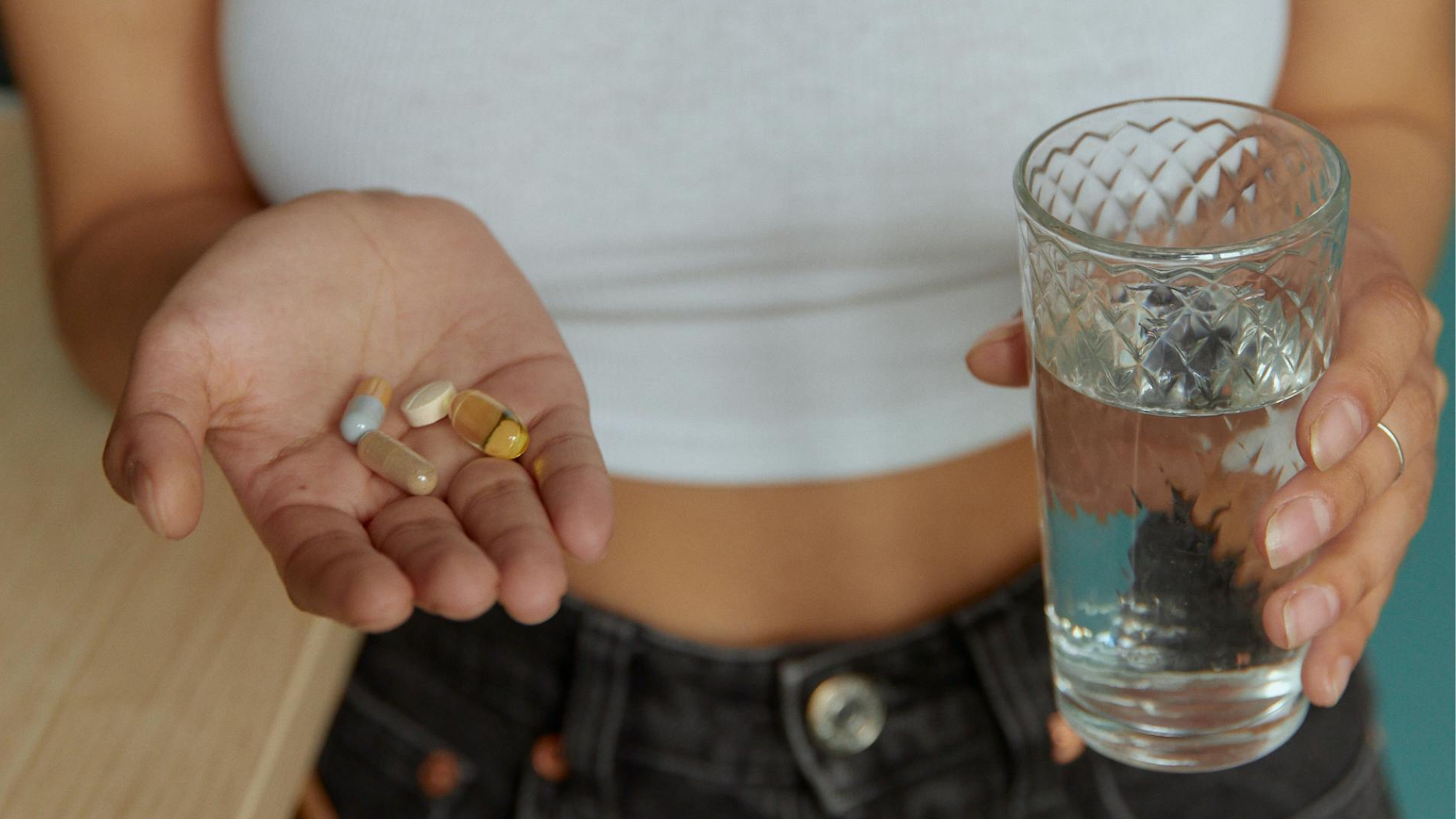
I stared at my bathroom counter in March 2023, counting supplement bottles like some kind of deranged pharmacist. Ubiquinol. DHEA. Vitamin D. Omega-3s. Methylfolate. Plus about six others my fertility Facebook groups swore by but my RE had never mentioned.
Am I taking supplements or opening a GNC franchise?
Here's what nobody tells you about fertility supplements: most of them are expensive placebos designed to make you feel like you're "doing something" while you wait for your actual treatment to work. But — and this is important — some of them actually have solid research behind them and can legitimately improve your outcomes.
After dropping $30K on IVF, I wasn't about to throw more money at snake oil. So I did what any type-A former CMO would do: I researched the hell out of every supplement my RE recommended, cross-referenced studies, and figured out which ones were worth the investment.
Spoiler alert: most aren't. But the ones that are? They're game-changers.
CoQ10 vs. Ubiquinol: The Egg Quality Heavyweight
Let's start with the supplement that actually moved the needle for me: ubiquinol.
My RE put me on 400mg daily for three months before my April 2023 retrieval. Not CoQ10 — ubiquinol, the more bioavailable form. And listen, this wasn't some "I read it on Reddit" recommendation. She specifically said my AMH and AFC suggested diminished ovarian reserve, and the research on ubiquinol for egg quality was strong enough to justify the cost.
The science checks out. CoQ10 is basically cellular rocket fuel — it powers the mitochondria that give your eggs energy to complete meiosis. As we age (thanks, biology), our CoQ10 levels tank. Supplementing can theoretically boost egg quality, especially if you're over 35 or dealing with DOR.
Here's where it gets interesting: most studies use 200-600mg daily for at least three months. The "at least three months" part is crucial because it takes about 90 days for follicles to mature. So if you're planning an IVF cycle, you need to start early.
But — and this is where I get opinionated — spending $80/month on ubiquinol when you're 25 with normal AMH is probably overkill. The research is strongest for women with age-related fertility decline or documented poor egg quality. If that's you, it's worth every penny. If not, save your money for therapy. You'll need it.
DHEA: The Controversial Darling
DHEA is fertility supplement drama incarnate. Some REs swear by it. Others think it's useless. The research is... mixed.
The theory makes sense: DHEA is a precursor to androgens, which follicles need to grow properly. Women with DOR often have low androgen levels. Supplement with DHEA, boost androgens, improve egg quality and quantity. Simple, right?
Not so fast. The studies are all over the place. Some show increased live birth rates. Others show no benefit. The dosing ranges from 25mg to 75mg daily, and nobody can agree on optimal duration.
Here's my take: if you have documented DOR and your RE recommends it, try it. The risk is low (though you might grow some unwanted facial hair — fun times). But if your RE hasn't specifically recommended DHEA, don't start it on your own. Unlike ubiquinol, which is generally safe for everyone, DHEA can mess with your hormones in ways that might actually hurt your cycle.
I didn't take DHEA because my RE didn't recommend it, and honestly? I'm glad I kept my supplement routine simple.
Vitamin D: The Unsexy Superstar
Nobody gets excited about vitamin D. It's not sexy like CoQ10 or controversial like DHEA. But here's the thing — vitamin D deficiency is incredibly common, and it can absolutely tank your fertility.
The research here is actually solid. Vitamin D receptors are found in reproductive tissues, and deficiency is linked to PCOS, endometriosis, and poor IVF outcomes. One study found that women with sufficient vitamin D levels were four times more likely to get pregnant during IVF.
Four times.
The problem? Most of us are deficient and don't know it. I had my levels checked as part of my initial fertility workup and was sitting at 22 ng/mL — technically "normal" but on the low end. My RE wanted me above 30, ideally closer to 40.
I started taking 4,000 IU daily and retested after two months. My levels hit 38 ng/mL, and I felt noticeably better — more energy, better mood, less brain fog. Was it the vitamin D or placebo effect? Honestly, who cares. For $10/month, it's the easiest win in fertility supplements.
The Folate vs. Folic Acid Debate
This one makes my head spin because the answer should be simple, but supplement companies have made it unnecessarily complicated.
Here's what you need to know: folate is the natural form found in food. Folic acid is the synthetic form used in most supplements and food fortification. About 40% of people have a genetic variant (MTHFR) that makes it harder to convert folic acid to the active form your body actually uses.
The solution isn't complicated — just take methylfolate (the active form) instead of folic acid. It works for everyone, regardless of genetics, and the cost difference is minimal.
I took methylfolate through my entire IVF process as part of a high-quality prenatal. No drama, no genetic testing required, just the form that actually works. Easy.
Omega-3s: Boring But Necessary
Omega-3s are like the sensible shoes of fertility supplements. Not exciting, but they get the job done.
The research shows omega-3s can improve egg quality, reduce inflammation, and support hormone production. The anti-inflammatory effects are particularly important if you're dealing with endometriosis or autoimmune issues (hello, fellow warriors).
But here's where people mess up: they buy cheap fish oil that's been sitting in a warehouse for months, tastes like low tide, and probably doesn't contain the EPA/DHA amounts on the label.
Quality matters with omega-3s. Look for third-party tested brands with at least 1,000mg combined EPA/DHA. Yes, it costs more than the Costco version. Yes, it's worth it.
What About Everything Else?
The fertility supplement rabbit hole goes deep. NAD+, resveratrol, alpha-lipoic acid, inositol — there's a supplement for every anxiety and a study for every supplement.
Most of them fall into the "probably won't hurt, might help" category. Inositol has decent research for PCOS. Alpha-lipoic acid is an antioxidant that might help with egg quality. NAD+ is trendy but expensive with limited fertility-specific research.
My philosophy? If you're already taking the big four (ubiquinol/CoQ10 if indicated, vitamin D, quality prenatal with methylfolate, omega-3s), you've covered 80% of the potential benefit. Adding fifteen more supplements might make you feel proactive, but your wallet will be lighter and your morning routine more complicated.
The Real Talk on Timing and Expectations
Here's what I wish someone had told me: supplements are not magic pills. They won't fix blocked tubes or severe male factor infertility. They're optimization tools for people who are already pursuing appropriate medical treatment.
And timing matters. Starting supplements the month before your retrieval is like cramming for a final — better than nothing, but not ideal. Most research uses three-month protocols because that's how long folliculogenesis takes.
I started my supplement routine in January 2023 for my April retrieval. Did the ubiquinol help my egg quality? I'll never know for sure, but I ended up with 7 embryos from 20 follicles, and 5 were PGT-normal — better than expected for my age and AMH. Worth the $240 I spent on three months of ubiquinol? Absolutely.
My Supplement Recommendations That Don't Suck
After wading through research papers and testing products during my own IVF process, here are the supplements I actually recommend:
For everyone trying to conceive: A quality prenatal with methylfolate is non-negotiable. I took the Needed Prenatal + Fertility Bundle through my entire IVF process — it's specifically formulated for fertility with optimal doses of everything you actually need. No weird additives, no synthetic folic acid, just clean ingredients that work.
For accurate monitoring: While not a supplement, the Mira Fertility Plus Monitor was what I wish I'd had earlier. Instead of guessing about ovulation with basic strips, it gives you actual hormone numbers. Game-changing for timing supplements and understanding your patterns.
For budget-friendly testing: Stock up on Easy@Home OPK + HCG test strips in bulk. You'll go through dozens during treatment, and buying the 100-count pack saves you from paying $15 for a single Clearblue test every time you want to check something.
The bottom line? Supplements can be helpful tools in your fertility toolkit, but they're not miracle cures. Invest in the ones with solid research, skip the expensive placebos, and remember that the most important factor in your success is working with a good RE who creates an evidence-based treatment plan.
Your bank account — and your bathroom counter — will thank you.
This article is for informational purposes only and doesn't constitute medical advice. Always consult your healthcare provider before starting any supplement regimen, especially if you're undergoing fertility treatment.